


A man is thrown into the past and becomes a captive alongside a group of women displaced by unrest. In a chaotic age, survival is already uncertain, and imprisonment makes their position even more precarious. He gains access to a nation-building system that grants extraordinary rewards as the number of people under his care increases. The unusual rule creates a path from immediate hardship toward something more lasting. He takes in the women, organizes production, and begins turning a vulnerable gathering into a community capable of supporting itself. Food and shelter are important, but they cannot by themselves remove the threats of the surrounding world. He therefore trains a force of women to fight their enemies. People who were once driven from safety acquire a part in defending the place they are building together. Population growth, productive work, and military training become connected elements of the same effort. The story follows that progression from captivity to collective strength, placing a system's rewards within the practical work of creating a new political community. His advantage matters because it is joined to the labor and protection needed for people to remain together. Through production and resistance, the group rises from the insecurity of displacement, and he ultimately establishes a powerful nation in an era that offers little stability to anyone.
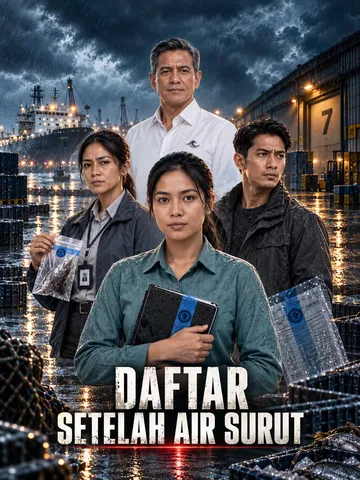
Mass poisoning breaks out at Dira’s engagement party, and the contaminated packaging immediately points to the fishermen’s cooperative she manages. A blue seal leads Dira to Cold Storage Seven. After the tide recedes, she finds a list of fictitious aid recipients in a drainage channel; even her late father has been registered as a transport supervisor. Her fiancé, Raka, enters the cold-chain group to investigate the network. Claiming that he needs to track the mastermind, however, he exceeds his authority, freezes the cooperative’s funds, alters routes, and delays a food recall by forty-seven minutes, allowing unsafe meals to reach a children’s shelter. Dira halts the wedding and builds a publicly verifiable chain of evidence with fishermen, cold-storage workers, a journalist, and investigators. When flooding strikes, they rescue people before collecting evidence, free workers moved under a false evacuation order, and stop Surya at the harbor as he tries to escape with ledgers and cash. Surya and Raka are tried separately. Raka refuses immunity in exchange for testimony and accepts professional restrictions and compensation obligations. One year later, the cooperative is operating again, the victims’ identities are restored, and fraudulent debts are gradually cleared. Dira gives Raka not a wedding date, but a calendar of public audits, making clear that trust must be rebuilt by telling the truth on time.
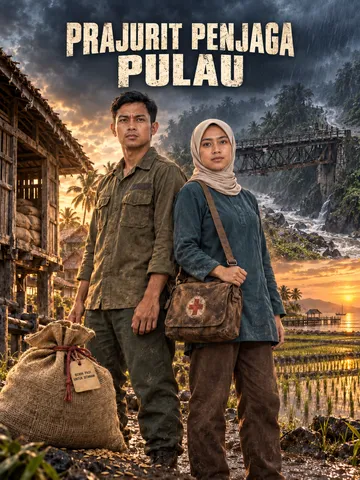
On the fictional island of Sagara, military strongman Darman joins forces with food merchant Soraga to plunder villages through grain seizures, debt contracts, and fabricated testimony. Arga, an ordinary soldier, is ordered to confiscate Kampung Lontar’s seed rice. When Laras, a village health worker, insists on protecting her patients and the villagers’ right to choose, Arga disobeys an order for the first time. Their wary relationship becomes a partnership as they defend the village together. Through blockade, arson, a false ceasefire, and a devastating flood, they preserve food, medicine, and evidence, unite nine villages, and rescue detained families. Their courage also persuades more soldiers to refuse further violence against civilians. The fortress gate is eventually opened from within. Darman and Soraga are convicted, while military logistics official Surya is detained pending trial. After the war, Arga rejects an offer to become permanent commander. He works with the villagers to return weapons and keys, open the public accounts, recover stolen land, and replant the damaged rice crop, while Laras retains her own judgment and responsibilities. When a homecoming aid boat finally arrives, Arga, now without rank, returns to the rice fields and asks Laras to marry him. She accepts because he is willing to build an ordinary life beside her, and together they finally walk toward a true home.
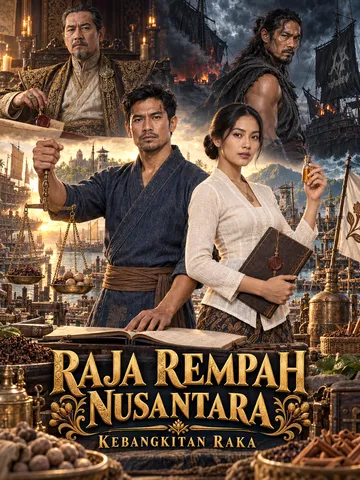
Raka, a modern food and disaster-logistics engineer, loses consciousness during a rescue accident and awakens in the ancient kingdom of Nusalaraya, inhabiting the body of a notorious village enforcer. His wife, Sekar, is about to be taken away under a forged debt contract. Given only three days to save her and repay the debt, Raka uses his knowledge of food processing, sanitation, and storage to turn discarded cloves into valuable spice essence. Sekar applies her expertise in herbal medicine, accounting, and port records to investigate the case that destroyed her father. Growing from distrustful spouses into equal partners, they join Banyu, Ningsih, Karim, and the villagers to establish the Nusantara spice house, a communal granary, and a shared trading alliance. Together they survive raw-material blockades, fraudulent debts, arson, and a pirate siege. Secret ledgers eventually expose merchant Darma, pirate leader Kala, and Regent Wiranata, who have been stealing relief grain, engineering famine, and controlling the port. Raka and Sekar carry the evidence to the royal capital, clear Banyu’s name, and use tidal knowledge and a community signal network to defeat the black-sailed fleet. The three conspirators are arrested at a public port hearing, the harbor reopens, and Raka and Sekar renew their marriage as equal, willing partners in the islands’ spice trade.

 Category
 Drama Rankings