


Wedding videographer Laras travels from Jakarta to Jepara with her fiancé, Farid, to celebrate their engagement with family. During the journey, Farid mysteriously disappears at a highway rest stop, and his family claims that he has eloped with Mira, a woman working at their woodcarving workshop. Refusing to accept the rumor, Laras follows bus records, a gray delivery van, photographic negatives left by her mother, and testimony from the workers. Her search uncovers a twelve-year-old workshop accident that the family concealed: safety records for a rear exit were falsified, and compensation owed to the workers was diverted. Farid’s uncle Harsono lured him away and held him to force through the workshop’s transfer under a fraudulent liability waiver, because Farid intended to surrender the original ledger. After being rescued, Farid admits that he also signed false settlement documents, while Laras’s father, Joko, must answer for falsifying the old safety report. Laras suspends the engagement and joins Mira, the workers, an independent auditor, and an investigator to rebuild the chain of evidence. The disputed transfer is canceled, while compensation claims and official investigations move forward. The mystery is solved, but love is not automatically restored. Laras and Farid choose to face their own wrongdoing before learning to know each other again.
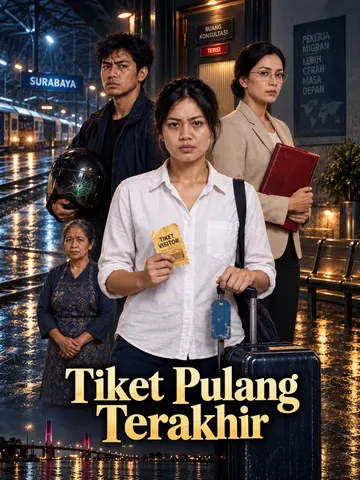
After finishing her job as a caregiver in Taiwan, Alya returns to Surabaya determined to recover wages illegally deducted under her mother’s name by a migrant labor agency. During a compensation meeting, however, agency director Budi is found dead inside a sealed interview room, while an electronic access report identifies Alya and three other claimants as the people who entered it. To clear their names, Alya joins forces with Niken, a former accountant; Bagas, a night-shift driver; and Salma, an advocate for migrant-worker families. Sequential visitor tickets, wage receipts, dashcam footage, and original door-control data lead them to a network of fake training debts, frozen refunds, and Alya’s younger brother Rizal, who has been missing for two years. The truth is painful: Laras lured Rizal to Budi with a fabricated message claiming his mother was in danger, and in a burst of rage he stabbed Budi. Their mother, Sulastri, had been coerced into recording false accounts and later tried to take the blame for her son, while Laras reused the four claimants’ ticket numbers to frame them and conceal the financial scheme. In the end, the four are cleared, each party faces responsibility, and the returning workers reclaim both their tickets home and the right to rebuild their lives.

 Category
 Drama Rankings